
The aluminum recycling market is becoming increasingly focused on one issue: material quality.
For years, many recycling operations concentrated primarily on recovering as much non-ferrous metal as possible from shredded scrap. Today, however, downstream aluminum producers are placing greater value on cleaner, more clearly defined material fractions that can be used more efficiently in secondary aluminum production.
A recent change in industry scrap specifications illustrates this shift.
The Recycled Materials Association (ReMA) has added a new aluminum scrap specification known as Ginger, creating a defined commercial category for mixed shredded cast aluminum that has been mechanically separated from broader mixed-metal streams such as Zorba and Twitch.
According to the current ISRI Specifications, the Ginger specification became effective on June 19, 2026.
The August 2026 issue of Light Metal Age has now highlighted the development as one of the important topics facing the secondary aluminum industry, placing the new specification alongside discussions about aluminum scrap sorting, domestic recycling demand and post-consumer scrap availability.
What Is Ginger Aluminum Scrap?
Ginger is officially classified as Shredded Aluminum Cast.
The specification describes mixed shredded cast aluminum that has been mechanically segregated from Zorba and Twitch.
Unlike a broadly mixed non-ferrous fraction, Ginger has clearly defined contamination limits.
The material must be dry and contain no more than:
1% free magnesium
1% free zinc
1% free iron
1% non-metallic material
The specification also requires the material to be free from excessively oxidized pieces, airbag canisters and sealed or pressurized items. Variations can still be negotiated between buyer and seller, but the standard establishes a much clearer quality benchmark for the trade of shredded cast aluminum.
This is important because it moves the conversation beyond simply asking whether aluminum has been recovered.
The more valuable question becomes:
How clean and consistent is the recovered aluminum fraction?
Why Ginger Is Different from Zorba
Zorba remains one of the most important materials in the international non-ferrous scrap market.
Under the ISRI specification, Zorba is shredded non-ferrous scrap that is predominantly aluminum but may contain a combination of aluminum, copper, lead, magnesium, stainless steel, nickel, tin and zinc. The individual metal percentages are normally agreed between buyer and seller.
This makes Zorba a commercially useful recovered non-ferrous concentrate, but it is still a mixed-metal product.
Ginger represents a different level of material preparation.
Rather than selling a broad non-ferrous mixture, a recycling plant can further process certain shredded aluminum streams to produce a more controlled cast-aluminum fraction.
That distinction matters because secondary aluminum producers do not value every metal in a mixed scrap stream equally.
copper, zinc, magnesium, iron and non-metallic contamination can affect the chemistry, processing cost and potential end use of recycled aluminum.
The new specification therefore reflects a wider trend in aluminum recycling:
Recovering aluminum is becoming only the first stage. Upgrading the recovered aluminum into a defined, higher-quality product is becoming increasingly important.
Scrap Specifications Are Becoming More Important to Recycling Economics
ReMA’s ISRI Specifications are used as a common commercial language for recycled materials and are recognized in international scrap transactions. ReMA states that the specifications are designed to improve consistency between buyers and sellers and are continuously updated as recycling markets and material streams evolve.
For a recycling company, this matters financially.
A mixed material stream may contain substantial quantities of valuable aluminum, but its selling value depends on the quality of the final product.
If the material contains excessive unwanted metals, dirt, rubber, plastic or mineral contamination, a downstream buyer may require additional processing, apply a price deduction or downgrade the material.
Producing a more tightly controlled aluminum fraction can potentially reduce these problems.
It can also create new opportunities to sell recycled aluminum into applications that require more predictable feedstock.
This does not mean that every Zorba stream should automatically be processed into Ginger. Material composition, processing cost, available equipment and local market demand all need to be considered.
But the creation of a separate Ginger specification demonstrates that more refined aluminum fractions now have enough commercial importance to require their own trading standard.
Sorting Technology Becomes Part of Product Quality
The Ginger specification also highlights the growing relationship between sorting equipment and scrap product quality.
A typical shredded material stream can contain:
aluminum castings, sheet aluminum, copper, brass, zinc, stainless steel, ferrous attachments, wire, rubber, plastic and other contaminants.
Producing a cleaner aluminum fraction therefore requires more than one separation step.
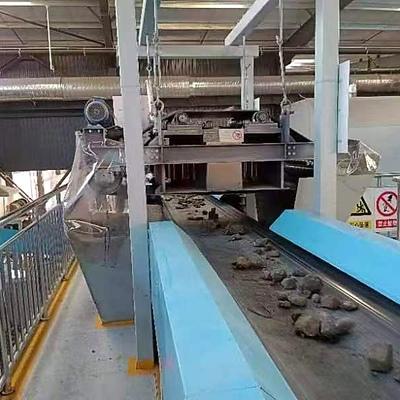
The material may first require controlled size classification so that pieces with very different dimensions do not interfere with downstream recovery.
Ferrous material should then be removed before non-ferrous recovery.
The resulting aluminum-rich fraction may require additional upgrading depending on the target product and contamination level.
The correct process depends heavily on the incoming material.
For example, a recycler processing automotive shredder material may face very different conditions from a plant processing UBC, construction aluminum or incinerator bottom ash.
Particle size, moisture, material shape, contamination and throughput can all influence separation performance.
This is why modern recycling projects should be designed around the required final material specification, not simply around the amount of waste entering the plant.
From Recovery Rate to Product Purity
For many years, recycling equipment was primarily evaluated by recovery rate.
That metric is still important.
Losing valuable aluminum into a waste fraction directly reduces revenue.
However, recovery rate alone does not describe the quality of the recovered product.
A system could theoretically recover a very high percentage of aluminum while also allowing excessive zinc, iron or non-metallic contamination into the final fraction.
For markets increasingly defined by material specifications, that may not be enough.
Recycling plants therefore need to consider two objectives simultaneously:
recover as much valuable aluminum as possible while maintaining the required product purity.
The emergence of specifications such as Ginger makes this balance increasingly visible.
A cleaner product can give downstream buyers more confidence in the material, simplify remelting preparation and help maintain more predictable alloy chemistry.
What This Means for Zorba and Automotive Scrap Recyclers
The Ginger specification is particularly relevant to companies processing shredded vehicles and other complex mixed-metal streams.
After shredding and initial ferrous removal, automotive material can still contain aluminum castings, aluminum sheet, copper, brass, zinc, stainless steel, wires and non-metallic materials.
A broad non-ferrous recovery stage can produce a Zorba-type fraction.
For some recyclers, that may remain the final commercial product.
Other plants may see an opportunity to continue upgrading the material.
The decision depends on whether the additional separation cost is justified by the value of cleaner aluminum fractions.
Before designing such a process, several questions become important:
What percentage of the incoming material is aluminum?
How much of the aluminum is cast material?
What is the material size range after shredding?
How much copper, zinc, iron and stainless steel remain?
How much plastic, rubber and other non-metallic contamination is present?
What throughput must the plant achieve?
What specification does the downstream buyer require?
These questions are becoming more important as aluminum recycling moves from basic metal recovery toward material-specific upgrading.
Cleaner Aluminum Can Create More Downstream Options
The commercial value of recycled aluminum increasingly depends on where the material can go next.
Highly mixed aluminum scrap may have fewer downstream applications because remelters must compensate for unwanted alloying elements and contamination.
Cleaner fractions can give producers greater control over the chemistry of secondary aluminum.
That can make recycled material more useful in automotive castings, building products and other manufacturing applications.
The trend is consistent with broader developments across the aluminum industry.
Manufacturers are increasing recycled-content targets while simultaneously demanding greater consistency, traceability and material performance.
As those requirements become stricter, recycling plants capable of producing defined aluminum grades may have a competitive advantage over operations that sell only mixed fractions.
CurrenTek Solutions for Aluminum Scrap Upgrading
CurrenTek develops recycling sorting equipment and process configurations for aluminum-rich material streams including Zorba, automotive shredder material, UBC, IBA and mixed scrap.
A suitable sorting process should begin with the actual material rather than a standard equipment package.
For a shredded aluminum project, CurrenTek evaluates factors such as material composition, size distribution, processing capacity, contamination level and the required final product.
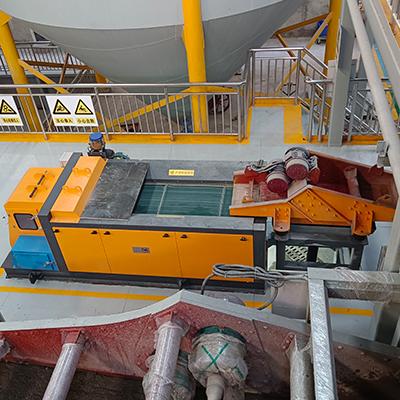
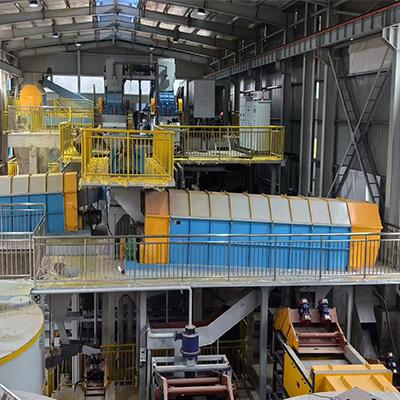
Depending on the feed material, the process can include controlled feeding, material size classification, ferrous removal, non-ferrous recovery and additional upgrading stages.
The objective is to recover valuable aluminum while reducing unwanted contamination and producing a more consistent final product.
For customers considering an upgrade from mixed non-ferrous scrap toward cleaner aluminum fractions, material testing can help determine whether additional processing is technically and economically practical.
The Future of Aluminum Scrap Is More Precisely Sorted
The introduction of the Ginger specification is a relatively small change in the long list of international scrap grades, but its significance is larger than the name itself.
It demonstrates how the aluminum recycling market is evolving.
A few years ago, the main objective for many processors was to recover aluminum from complex waste.
The next stage is increasingly about separating that aluminum into material streams with clearly defined quality and composition.
For recycling companies, this creates both a challenge and an opportunity.
Higher standards require better control of contamination, particle size and separation performance.
At the same time, producing cleaner and more consistent aluminum fractions can create greater downstream value and stronger relationships with secondary aluminum producers.
As recycled aluminum becomes a larger part of global manufacturing, the companies that can deliver stable quality—not simply high tonnage—will be better positioned in the market.
